
Back to: AMERICAN HISTORY 101: PRE-COLONIAL TO CIVIL WAR
UNIT II — The Road to Revolution: 1754–1776
(Lessons 9–17)
Unit II traces the twenty years that transformed loyal British subjects into American revolutionaries. From the French and Indian War through the Stamp Act crisis, the Boston Massacre, the Tea Party, and finally to Lexington and Concord, students will see how a series of British decisions — each seemingly reasonable in London — convinced colonists that their rights were under deliberate attack. By the end of this unit, students will understand that the American Revolution was not a sudden rebellion but the end point of a long argument about constitutional government and the rights of free people.
Lesson 9 – The French and Indian War: A Continent in the Balance
| THEME | The war that decided who would rule North America also taught the colonists they could fight — and gave Britain a debt it would try to collect in ways that sparked a revolution. |
Summary
Between 1754 and 1763, Britain and France fought a global war — called the Seven Years’ War in Europe and the French and Indian War in America — that decided the future of an entire continent. When it ended, France was expelled from North America, Britain had the largest empire in the world, and a young Virginia militia colonel named George Washington had learned the fundamentals of military command in the Pennsylvania and Ohio wilderness. The war also left Britain deeply in debt and convinced that the colonies should help pay for their own defense. That conviction led directly to the taxes that sparked the Revolution.
The French and Indian War saw two European imperialists go head-to-head over territory and marked the debut of the soldier who would become America’s first president.
Learning Objectives
By the end of this lesson, you should be able to:
- Explain the causes of the French and Indian War and identify the main combatants.
- Describe George Washington’s early military experience in the Ohio Valley.
- Explain the Albany Plan of Union and its significance as an early proposal for colonial cooperation.
- Analyze the results of the Treaty of Paris (1763) and explain how they changed the North American map.
- Explain why the French and Indian War made the American Revolution more likely.
Visual Context
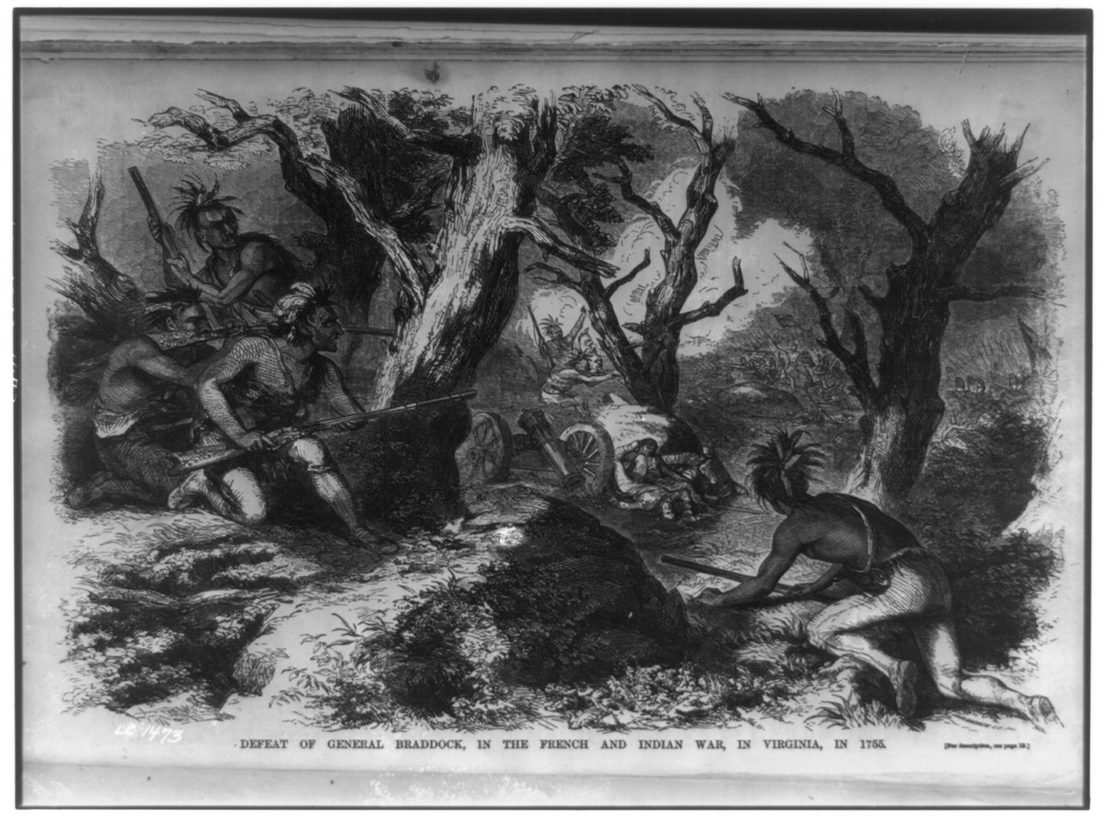
Source: Library of Congress
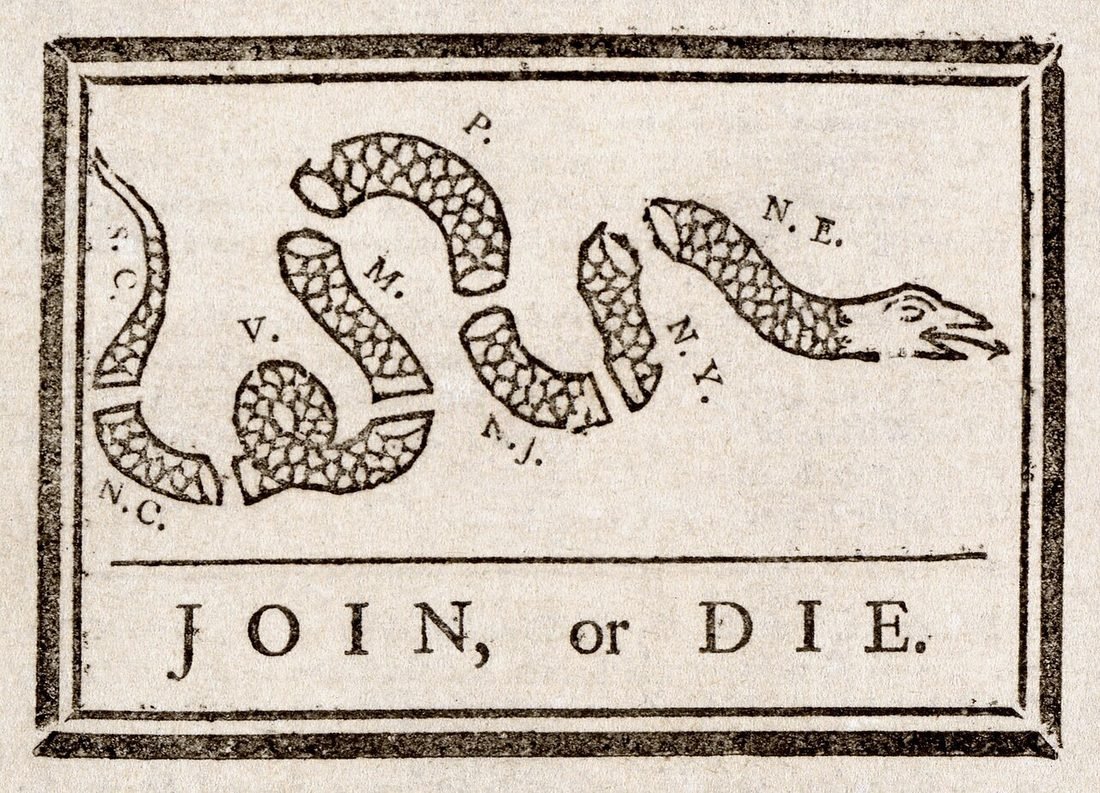
Source: Library of Congress
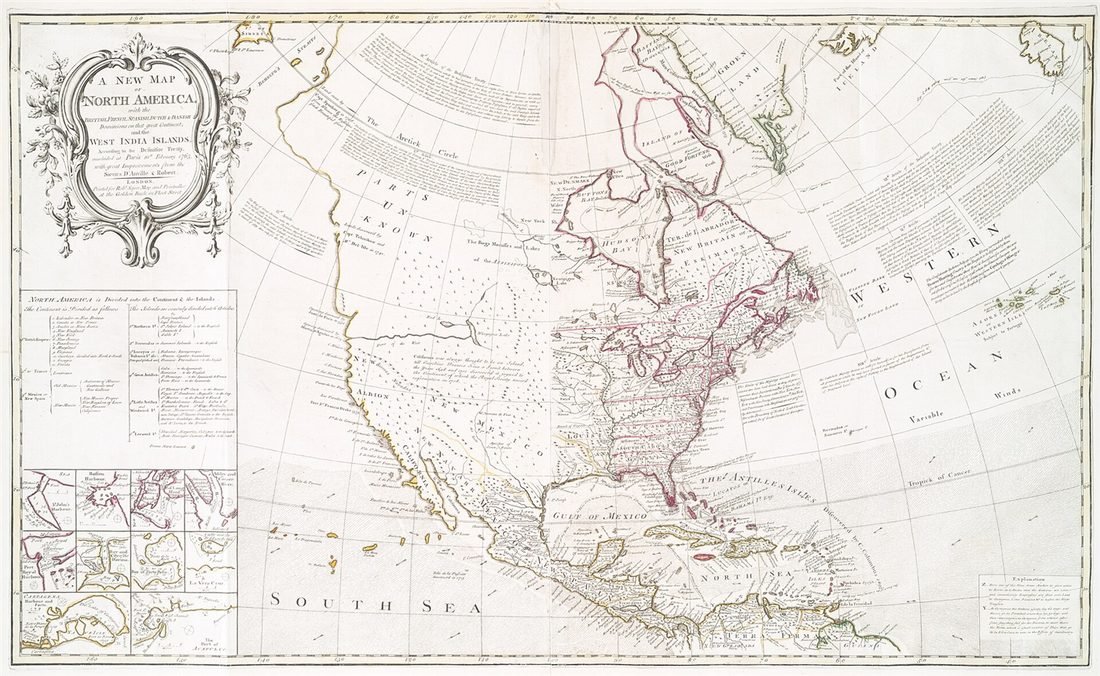
Source: New York Public Library
Key Vocabulary
| Term | Definition |
|---|---|
| Seven Years’ War | The global conflict (1756–1763) fought between Britain and France and their allies — called the French and Indian War in North America. |
| Albany Plan of Union | Benjamin Franklin’s 1754 proposal for a united colonial government to coordinate defense against France — rejected by both the colonies and Britain. |
| Pontiac’s Rebellion | A 1763 pan-tribal uprising led by Ottawa war chief Pontiac against British forts and settlements in the Great Lakes region after the French defeat. |
| Proclamation of 1763 | A British order forbidding colonists from settling west of the Appalachian Mountains — intended to prevent conflicts with Native peoples but resented by colonists. |
| Ohio Valley | The region around the Ohio River, claimed by both France and Britain, where the French and Indian War effectively began. |
Story & Historical Narrative
A. Opening Lead
In May 1754, a 22-year-old Virginia militia colonel led a small force through the Pennsylvania wilderness and attacked a French detachment near a place now called Jumonville Glen. Ten French soldiers died, including their commander, Ensign Jumonville. The colonial commander later admitted he could barely understand the French officer’s words above the gunfire. His name was George Washington, and his actions helped ignite a war that would spread across the world. As he wrote to his brother afterward with remarkable candor: ‘I heard the bullets whistle, and, believe me, there is something charming in the sound.’
B. Historical Background
By the 1750s, France and Britain were locked in a struggle for control of North America. France claimed the St. Lawrence Valley, the Great Lakes, and the Mississippi drainage — a vast interior that separated Britain’s coastal colonies from the western frontier. Both nations had Indigenous allies. The flashpoint was the Ohio Valley, where both claimed sovereignty and where land-hungry Virginia colonists were already beginning to push. The Ohio Company of Virginia — in which Washington’s family had a financial stake — had received a grant to settle the region. France responded by building a string of forts from Lake Erie to the Ohio River.
C. Main Events
Washington’s attack helped start the war, but the early fighting went badly for Britain. General Edward Braddock led a large British army toward French-held Fort Duquesne in 1755 — and was ambushed by French and Native forces at the Battle of the Monongahela. Braddock died; Washington had four bullet holes in his coat and two horses shot from under him. He survived and helped organize the retreat. It took a new British government under William Pitt — who spent lavishly on the war and promised to reimburse colonial legislatures for their expenses — to turn the tide. By 1759, British forces had captured Quebec. In 1760, Montreal fell. The Treaty of Paris in 1763 transferred Canada and most French claims east of the Mississippi to Britain; Spain ceded Florida to Britain and received Louisiana west of the Mississippi from France. France’s North American empire was finished.
D. Constitutional & Philosophical Issues
The Albany Congress of 1754 — called to coordinate colonial defense — produced Benjamin Franklin’s Albany Plan of Union, proposing a grand council of colonial delegates with the power to raise taxes, regulate Indian relations, and coordinate defense. The colonies rejected it as giving up too much power; Britain rejected it as giving the colonies too much power. But the idea of colonies working together to solve a common problem had been planted. A decade later, when Parliament began taxing the colonies, those same colonies would remember that they knew how to cooperate — and that they had been doing it for generations without Parliament’s help.
Colonists convened at the Albany Congress of 1754 to discuss how to help the British improve their relationship with the Iroquois Confederation.
E. Long-Term Historical Impact
The French and Indian War’s aftermath set in motion nearly every major conflict that led to the Revolution. Britain’s massive war debt convinced Parliament that the colonies must contribute to imperial defense. The Proclamation of 1763, meant to prevent costly Indian wars, infuriated colonists who believed they had fought and sacrificed to open the west. Pontiac’s Rebellion showed Britain that maintaining the empire would be expensive. And a generation of colonial officers — Washington foremost among them — had learned that they could fight professionally against European-trained troops. The war made a revolution possible by creating the grievances, the leaders, and the military experience the colonists would need.
Explore 5 facts about the Proclamation of 1763, a decree originally enacted to calm the tension between Native Americans and colonials, but became one of the earliest causes of the American Revolution.
| WHY IT MATTERS TODAY | The French and Indian War is one of the most consequential events in American history — and one of the least taught. Without it, there is no British debt crisis, no Stamp Act, no Revolution. It also established George Washington’s reputation and taught him the military fundamentals he would use 20 years later. The war reminds us that world-historical consequences often flow from specific, local decisions — including the shots a 22-year-old colonial colonel fired in a Pennsylvania forest. |
Key Takeaways
- The French and Indian War (1754–1763) was the North American theater of the global Seven Years’ War.
- George Washington’s early military experience in the Ohio Valley prepared him for later command.
- Benjamin Franklin’s Albany Plan of Union (1754) was the first serious proposal for colonial cooperation.
- The Treaty of Paris (1763) removed France from North America and left Britain with a massive debt.
- The Proclamation of 1763 and the debt crisis set the stage for the taxes that sparked the Revolution.
Short Writing Assignment
Washington wrote that there was ‘something charming’ in the sound of bullets. He was 22 years old. In 1–2 paragraphs, reflect on what Washington might have meant. What do you think he was feeling at that moment? How do you think those early military experiences shaped the man who would command the Continental Army twenty years later?
Extended Learning (Optional)
Expanded Writing Assignment
Benjamin Franklin’s ‘Join, or Die’ cartoon — published in 1754 to promote colonial unity during the French and Indian War — was reprinted during the Revolution to urge independence. In 4–6 paragraphs, trace the idea of colonial unity from the Albany Plan of 1754 to the Continental Congress of 1774. What changed? What stayed the same? Why did colonists resist unity against France but embrace it against Britain?
Discussion Question
Britain spent enormous treasure defending the American colonies during the French and Indian War. Parliament believed the colonists should help pay this debt. The colonists argued they had already contributed — in lives, militia service, and local taxes — and that Parliament had no right to tax them directly. Who had the stronger argument? How might you have ruled if you were a judge in 1765?
Primary Source Spotlight
“I heard the bullets whistle; and, believe me, there is something charming in the sound.”
— George Washington, letter to his brother John Augustine Washington, May 1754
This line — from Washington’s first combat — became famous when King George II reportedly read it and said: ‘He would not say so if he had been used to hearing many.’ Washington’s candid excitement captures something important: he was young, untested, and eager for glory. The experience of the French and Indian War — including Braddock’s catastrophic defeat — would replace youthful enthusiasm with the cautious, patient generalship that won the Revolution.
Extension Activity
Research the Battle of the Monongahela (1755) using the National Park Service’s website or a library source. What went wrong for the British? How did Washington’s conduct during the retreat shape his reputation? Write a paragraph analyzing what military lessons Washington learned from this disaster — and how you can see those lessons applied in his later command decisions.
Explore Further
Read the Evidence
Benjamin Franklin, Albany Plan of Union (1754) – Read Franklin’s early proposal for colonial cooperation.
George Washington, letters from 1754 – Read Washington’s own words from his first military campaign.
Learn More
Fred Anderson, Crucible of War – A major history of the Seven Years’ War and its consequences in North America.
Explore
National Park Service – Fort Necessity National Battlefield.
Enroll in American History 101
This lesson is free to read. Enroll to unlock all 48 lessons, the quizzes, and your Certificate of Completion.
One Time
Get lifetime access to American History 101: Pre-Colonial to Civil War
for a single one-time payment.
- 48 self-paced lessons spanning pre-colonial America through the Civil War
- A quiz with every lesson, plus a full final exam
- Exclusive “alternative perspectives” on pivotal moments other courses overlook
- Designed for high school, homeschool, and adult education
- Pay once — no subscriptions, no renewals